5 Ways to Improve Senior Quality of Life With Technology

5 Ways to Improve Senior Quality of Life With Technology

Seventy percent of U.S. seniors are now online. Internet-connected devices are a part of their daily lives and they use them to stay informed, connect with family and friends, make travel plans, and more.

Research shows that aging, health issues, and technology will be completely linked in the future. The myths surrounding older adults’ limited adoption and use of technology are being challenged as we speak. One thing is abundantly clear: seniors like technology and are increasingly incorporating digital and voice-activated tech into their lives.
Here are five ways senior living communities can help improve the quality of life for their residents through the use of technology.

1) Wearables

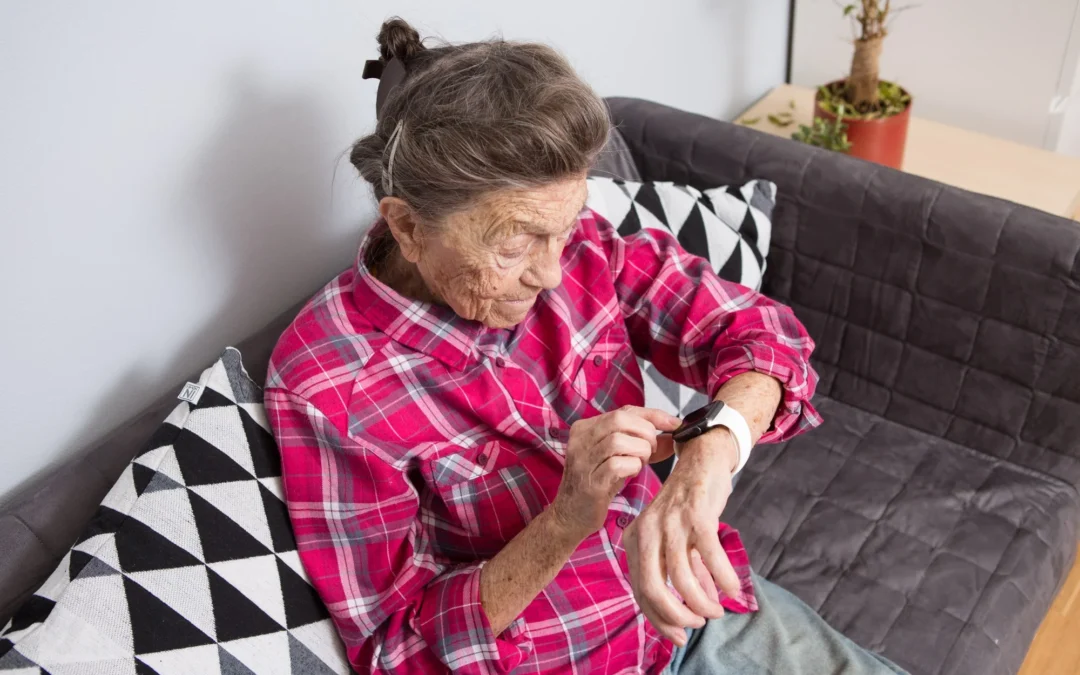
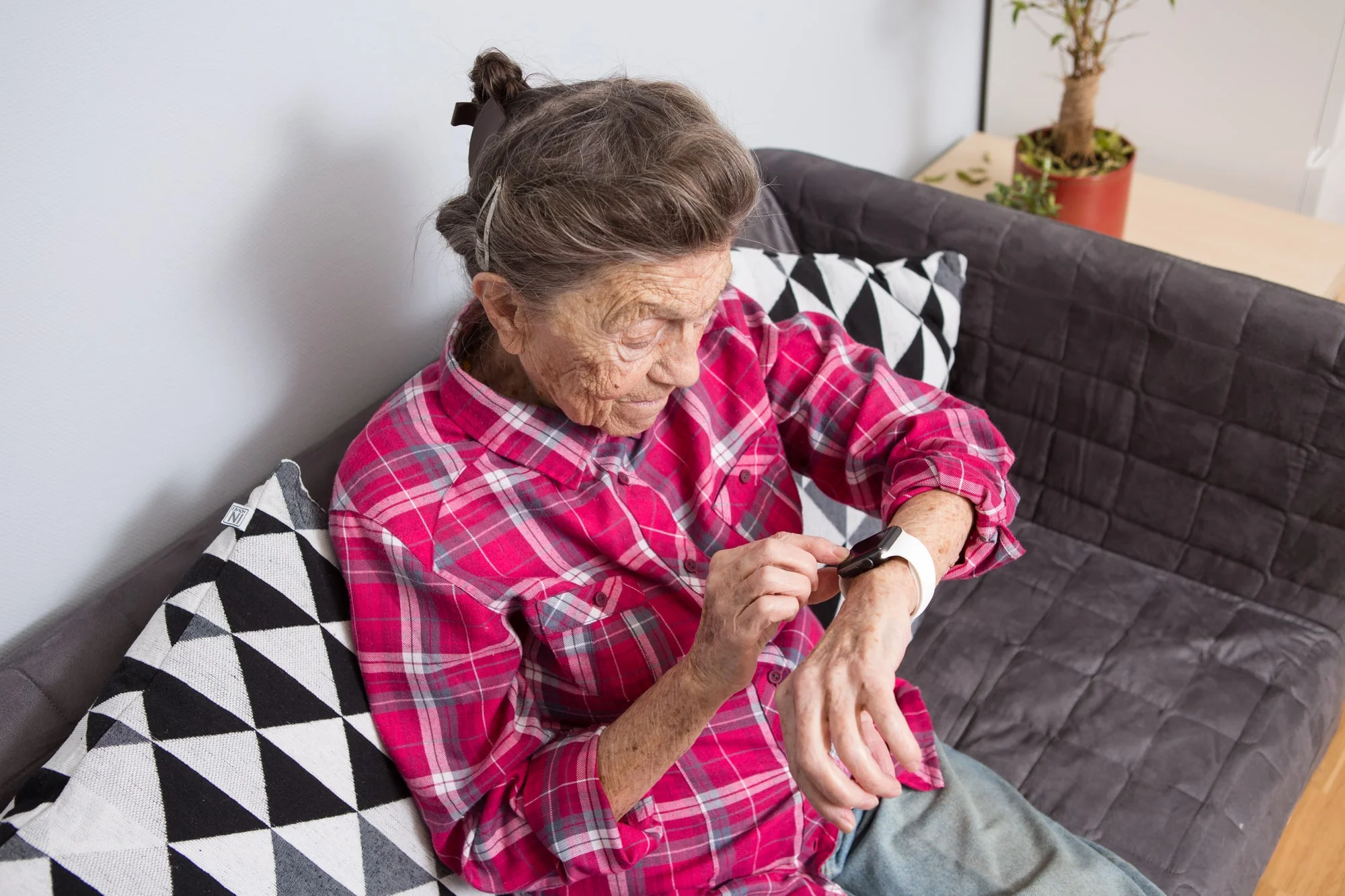
Apple watches, Fitbits, and other Wi-Fi enabled wearables fall under the broader category of the Internet of Things (IoT). Some continuing care retirement communities are using wearables in place of or to complement nurse call systems to signal an emergency. These health-tracking devices make it easy for staff to reliably monitor conditions like blood pressure, heart rate, sleep patterns, and more.

2) IoT Devices

Tablets, TVs, and healthcare smart devices are some of the fastest growing sectors of IoT for seniors. Many of these conveniences serve dual purposes:

  • Smart water bottles monitor how much water a person drinks each day and sends that data to a health-tracking app.
  • Smart thermostats let residents use their phone or tablet to adjust the temperature of the room without having to get up, preventing falls in the middle of the night.
  • Voice-command lights also help prevent falls by increasing visibility.

Seniors also use IoT devices to monitor smoke alarms and carbon monoxide detectors and track air quality changes.

3) Making Everyday Tasks Easier

Bathroom aids, medication management, and smart kitchen gadget are just a few of the digital devices that make everyday tasks easier for seniors.

  • Wayfinding software guides residents and visitors indoors and out.
  • Hospital-grade fitness equipment keeps residents limber while also diagnosing medical condition, preventing health problems, and tracking physical therapy success.
  • Kindles, Nooks, and other eReading devices offer a huge supply of educational and entertaining books, magazines, and newspapers.
  • AI-enabled personal assistants like Google Home, Amazon’s Alexa, and Microsoft’s Cortana do everything from reminding residents when to take their medications to filling them in on the day’s weather or latest sports news.

Other handy digital helpers include mobile keyless entry, interactive touchscreens for videoconferencing, and streaming services for watching TV and movies or listening to music.

4) Cameras

It isn’t a happy topic, but elder abuse is a real issue for many seniors. It’s estimated that one in 10 adults over the age of 60 faces neglect and/or physical, emotional, sexual, or some other form of abuse. Cameras help families or caretakers make sure seniors are being treated properly. They’re also great for helping healthcare providers track a resident’s movements.

5) Phone Apps

One of the biggest advancements in technology are phone apps that collect important information that can be transmitted to doctors, nurses, or community staff. Simpler apps keep seniors occupied and engaged with fun games, brain teasers, and social media accounts.

Connected devices designed to increase resident happiness and personal satisfaction require a strong Wi-Fi solution that’s reliable 24 hours a day. Medical Grade Wi-Fi® offers 99 percent reliability and is HIPAA compliant. To learn more, contact HealthSignals today.
4 Ways Cellular Boost Solutions Improve Senior Living

4 Ways Cellular Boost Solutions Improve Senior Living

Cell phones are no longer a luxury; they’re essential. More people than ever rely on cell phones as their primary means of communication. They can help you keep you in touch with loved ones, healthcare providers, and coworkers for a healthier, more connected life.

Unfortunately, many senior living facilities don’t have adequate reception, which can limit residents’ and the staff serving them, abilities to communicate. Here are just a few of the ways that a cellular boost solution can help to improve the lives of those in senior living.
1. Connect with Loved Ones

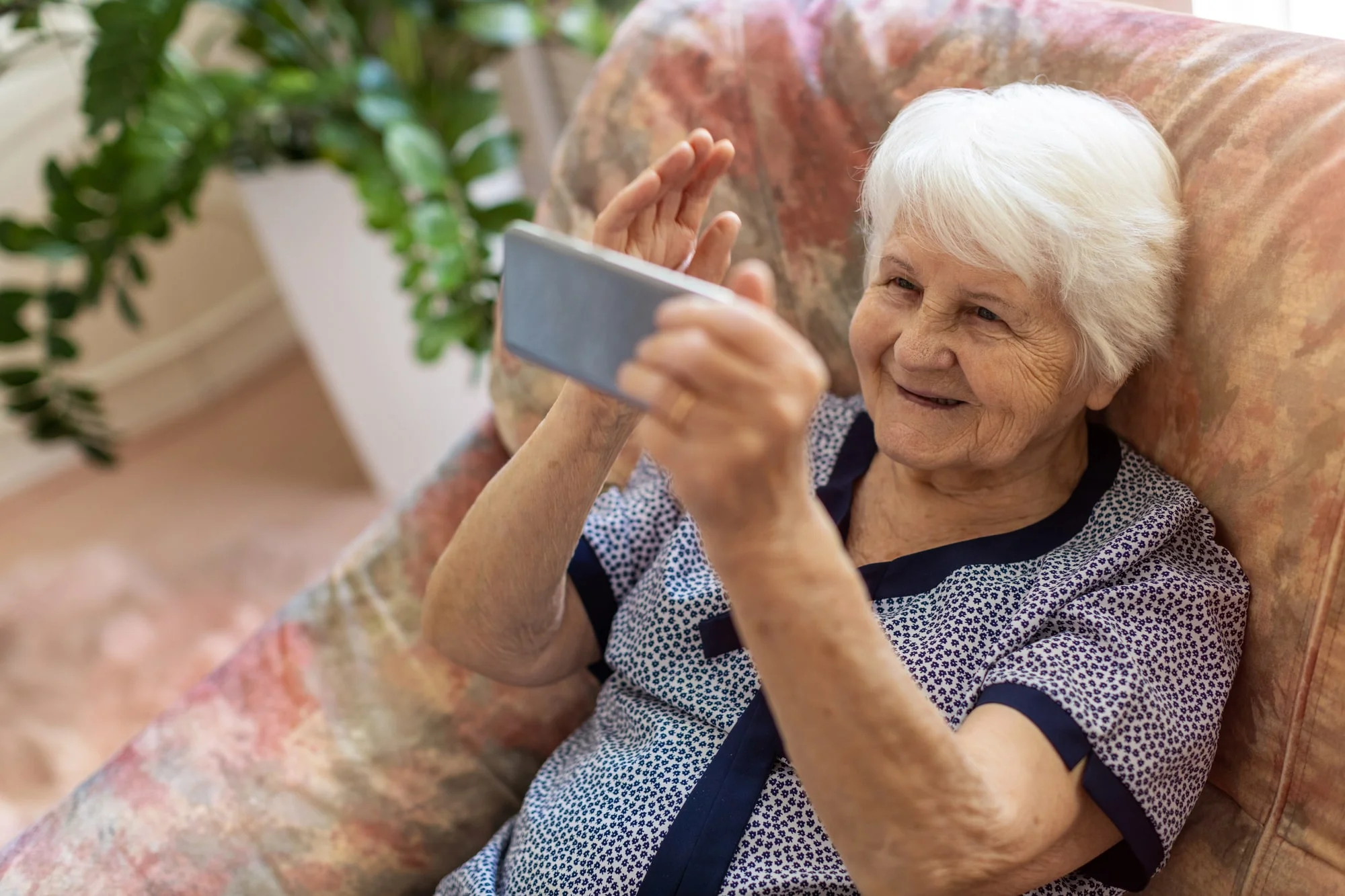
Phones are designed to keep people connected. You can text, send pictures, video chat, browse social media, and play games with loved ones from all over the world.

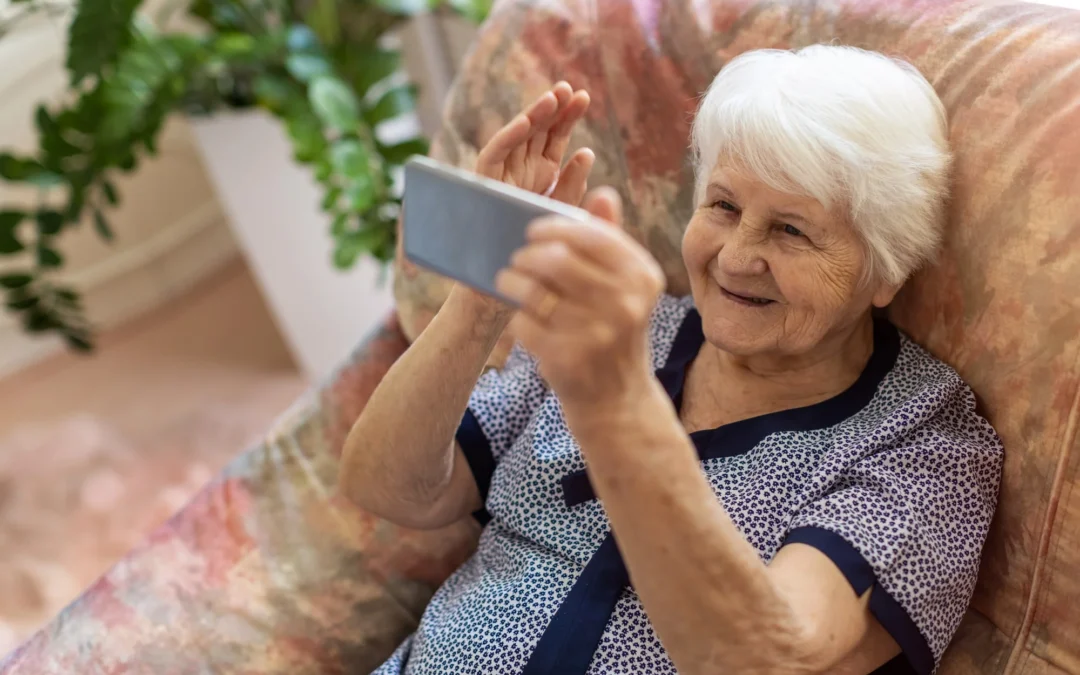
For many seniors, cell phones have become the primary method of communication with their family members. Studies have shown that 91% of people 65 and older own cell phones and 53% own smartphones. But without service, seniors can’t connect with their loved ones. This is even more evident in the time of COVID-19 when for seniors in quarantine, the only means of connecting with their loved ones may be via mobile technologies.

A cellular boost solution can give seniors the gift of communication. They’ll be able to interact with their friends and family members for a happier, healthier senior living experience.

2. Talk to Healthcare Providers

Next to their families, seniors also need to be able to communicate with their healthcare providers. Speaking to a specialist is quick and easy with a cell phone. They’re easier to use and eliminate the need to remember names and numbers. Simply push a button and you’re connected.

Many doctors, especially after the COVID-19 pandemic, are starting to rely on telehealth options to treat patients. But dropped calls or poor video quality act as a hindrance to providing the same quality of care as face to face. With a strong cellular signal, seniors can use their smartphones to meet with their doctors virtually, removing the need for transportation or risk of infection.

3. Stay Mentally Active and Entertained

Cell phones aren’t just good for communication; they can be used for entertainment as well. In a senior living environment, staying active and engaged is of the utmost importance, and studies have shown that mobile apps and online brain games can improve the cognitive abilities of seniors.

Downloading apps and playing online games use a lot of data and require a strong cellular signal. A cellular boost solution can help seniors stay online and engaged to stay sharp.

4. Facilitate Staff Communication for Better Care

Residents aren’t the only ones who rely on strong cell signal to communicate. Staff members frequently rely on their cell phones for updates in the form of texts, calls, or emails. For healthcare workers, not being able to get information in a timely manner can be dangerous. Having a strong cell signal can facilitate internal communication so healthcare workers can provide better, more efficient care for residents.

Cellular Boost Solutions for Better Senior Living

Everyone needs to be able to interact with their loved ones. For people in senior living, this isn’t as simple as it seems. Having access to a strong signal from a cellular boost solution can make all the difference. Residents will love being able to connect with their loved ones and healthcare providers, and the staff will be able to utilize the stronger signal to facilitate internal communications for improved patient care. A cellular boost solution is the perfect way to improve the lives of those in senior living. Contact HealthSignals here to learn more about our cellular boost solutions

New Healthcare Technology Funding: Does Your Center Qualify for the FCC COVID-19 Telehealth Program?

New Healthcare Technology Funding: Does Your Center Qualify for the FCC COVID-19 Telehealth Program?

The pressures of COVID-19 are forcing us to rely on telehealth now more than ever. Companies and care facilities of all kinds have had to adapt their practices to support new telehealth solutions, but many of these solutions are costly and out of reach for struggling facilities.

To help, the Federal Communications Commission (FCC) recently adopted a $200 million COVID-19 Telehealth Program to aid healthcare facilities in providing better telehealth services to their patients.

Who’s Eligible?

The program is open to non-profit and public healthcare providers who meet certain criteria defined in the 1996 Telecommunications Act. Generally, funding will be available to the following facilities:

  • Not-for-profit hospitals and health clinics
  • Local health departments
  • Senior living centers and community health centers
  • Rural and non-rural health clinics
  • Skilled nursing facilities

Note that this is not an exhaustive list, and all non-profit or public healthcare clinics are welcome to apply to the program. However, all applicants will need to receive an eligibility assessment from the Universal Service Administrative Company (USAC) before being accepted.

Which Services and Devices Are Covered?

The program will help providers pay for devices and services that are necessary for providing remote health services to patients in response to the COVID-19 outbreak such as:

  • Health monitoring tools such as pulse oximeters
  • Information and connectivity services, including Medical Grade Wi-Fi and voice services
  • Connected devices, including tablets and smartphones that enable connected care at home

All devices must be digitally-connected and integral to patient care to be considered.

Can I Improve My Odds of Getting Approved?

Although the FCC will make the final call on all applications, they’ll be using certain criteria to assess each applicant’s needs:

  • Local conditions and severity of COVID-19 impacts in the region
  • The amount of funding allocated for vulnerable or high-risk patients
  • The goals, objectives, and timeline of each applicant’s funding strategy
  • The geographic size of each region and its existing healthcare infrastructure

Overall, these regulations are designed to ensure that support is given to the areas hit hardest by the pandemic, as well as to facilities that require telehealth services to protect high-risk patients.

How Does Reimbursement Work?

Note that the COVID-19 Telehealth Program isn’t a grant. Applicants accepted to the program will need to provide invoices and other documentation for each of the products or services that they purchase. In addition, they may need to adhere to other FCC reporting requirements as noted in the program guidelines.

How Do I Start?

Healthcare facilities interested in the reimbursement program can’t afford to wait. Here’s a quick rundown of what you need to get started:

If you’re a senior living facility who needs help navigating your application, contact us at HealthSignals and we’ll be happy to walk you through the details.

The Updated Maslow’s Pyramid: How Your CCRC Needs to Respond.

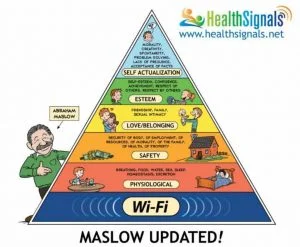
Updated Maslow's Pyramid.Maslow’s Hierarchy of Needs is a psychological theory outlining what we, as human beings, need to survive and thrive. For those unfamiliar with it, the model is structured as a pyramid. Our most pressing needs are the pyramid’s base, involving our physiological needs: food, water, shelter, etc. As the pyramid climbs, we reach more psychological needs: accomplishment, creativity, and so on.
It’s a popular model for understanding human needs, but here’s the problem. The theory was developed by Abraham Maslow all the way back in 1943—well before the advent of tech like home computers, smartphones, or Wi-Fi. And while these gadgets might just seem like novelties, for certain populations–like continuing care retirement communities (CCRCs)—this access can save lives.

Updating Maslow: Access to Services

It’s a little tongue-in-cheek to lump Wi-Fi in there with food and water, but jokes aside, there’s a strong case for updating Maslow’s Hierarchy with access to essential tech services—particularly for CCRCs.

Senior living facilities are powered by technology. Research by Pew found that a full 67% of seniors use the internet these days, and over 51% of seniors have high-speed internet at home. And should these seniors move into assisted living facilities, you can bet that they’ll expect the same quality of life as they’re accustomed to.

And really, why wouldn’t they? They’ll still need to keep in touch with friends and family over FaceTime or Skype, and they will still need access to all of the entertainment they enjoy at home. These used to be luxuries, but today, they are essential services that every connected CCRC should offer.

This connectivity is important from a resident satisfaction standpoint, but just as important are the ways that connected facilities support better resident care. When you consider the value of connected medical facilities, it’s not a stretch at all to imagine connectivity’s place in Maslow’s Hierarchy.

Supporting Physician/Resident Relationships

Medical Grade Wi-Fi® plays a powerful role in telemedicine and the physician/resident relationship.

In one survey of U.S. physicians, 93% of those who used telemedicine applications agreed that it helped improve patient access to care, and 77% agreed that the applications helped both patient and provider better manage their time.

With the right communications tool behind them, CCRCs can ensure that their residents enjoy the benefits of high-speed internet while enabling new types of physician outreach. For example, the fast transfers offered by fiber optic Wi-Fi makes it easy for residents to call their physicians, video conference, receive/transmit medical imagery, share files, and more.

Through this approach, CCRCs can differentiate themselves (and increase occupancy rates) by positioning themselves as enhanced facilities offering a higher standard of care.

Future-Proofing With Quality Care

Telemedicine is the way the world is moving, and patients of all ages are taking advantage. CCRCs are no exception. Facility owners should take a look at their current infrastructure and what Wi-Fi enabled services they offer. We’re willing to bet there’s some room for new services—and these services may completely change the way you deliver care.

Learn all about

Medical-grade Wi-Fi for Continuing Care Retirement Communities and Long-Term Post-Acute Care Facilities

TeleHealth in Senior Living: Is your Facility Well Equipped?

TeleHealth in Senior Living: Is your Facility Well Equipped?

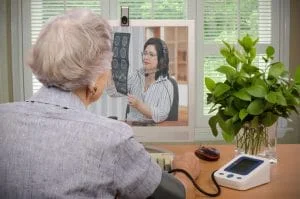
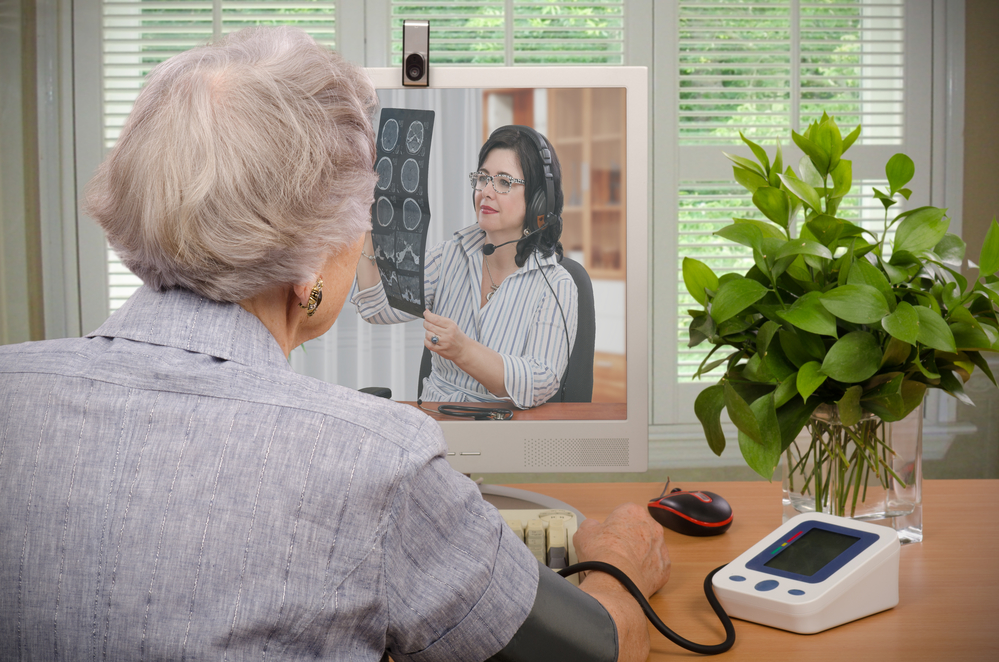
Telehealth in Senior LivingEven though the days of the common house call are long gone, for many patients traveling to see a doctor can be a challenge. Seniors face personal mobility issues and transportation hurdles that often prevent them from getting the care they need.

TeleHealth is an exciting opportunity for an aging population to receive adequate care without the worry of how they’ll travel to the doctor’s office. Senior living communities who integrate TeleHealth into their facilities offer their residents a valuable resource that keeps them active and engaged.

What is TeleHealth?

Sometimes referred to as telemedicine or digital health, TeleHealth uses a number of technologies and devices to connect patients with their healthcare providers. Remote appointments, biofeedback sensors, and other connected devices are used for sharing information between patients and physicians who can now remotely share their expertise.

The Benefits of TeleHealth

One of the biggest contributors to rising healthcare costs is the increased rates hospitals and doctors charge for visits and tests at their facilities. TeleHealth solutions can reduce costs while enhancing health outcomes by:

  • Improving management of chronic diseases.
  • Sharing health professional staffing.
  • Reducing travel times.
  • Reducing the number and length of hospital stays.

It should come as no surprise that TeleHealth is a rapidly growing component of healthcare in the U.S., with older adults enthusiastically embracing wearables and mobile health applications to monitor their weight, diet, exercise, blood glucose, sleep patterns, blood pressure, chronic pain, and more. Digital healthcare lets them stay connected to support mechanisms while living more productive, enjoyable lives.

TeleHealth and Senior Living

TeleHealth technologies will become a way of life for millions of baby boomers, 10,000 of whom are turning 65 every single day. Figuring out how to support their healthcare needs is crucial because they are managing more chronic conditions such as diabetes. And while one in four Americans deals with multiple chronic conditions that limit their daily activities, the number rises to three in four Americans aged 65 and older.

TeleHealth platforms encompass a wide variety of technologies:

  • Mobile devices
  • Audio-video linkups
  • Wearable devices
  • Connected devices

With most trips or transfers to hospitals unnecessary, TeleHealth solutions in your senior living facility offer residents improved safety, care, comfort, and convenience they may not find elsewhere. It’s especially attractive to seniors who are living in areas that aren’t close to medical facilities or hospitals.

With all these benefits, why then are so few senior living facilities using a TeleHealth platform to connect residents to outside healthcare services? Much of it has come down to healthcare plans not covering the services for independent living or assisted living communities. The good news is that as of 2020, Medicare Advantage plans will be permitted to cover TeleHealth Services delivered to senior living facilities.

Is Your Facility Ready?

TeleHealth programs need proper broadband to handle the service. Without it, you face the risk of dropped conferences, out-of-sync audio, and frozen video. Four factors define the high-quality connectivity needed: provider and equipment reliability, security, sufficient speed, and affordability.

Senior living and continuing care retirement communities should expect to see TeleHealth become much more prominent in the coming years. Crucial to its success will be consistent, high-quality connectivity.

HealthSignals’ Medical Grade Wi-Fi® is a future proof solution that offers reliable and secure campus wide WiFi and cellular coverage and ensures your residents have 24/7 access to top medical care at their fingertips.

Contact HealthSignals today to learn more.